
The Future of Bone Health Is Here: Why REMS Is Changing the Way We Measure, Monitor, and Lead Our Health

As a Registered Massage Therapist with over three decades in clinical practice, my lens has always been grounded in one core belief:
Musculoskeletal health is the foundation of overall health.
Bones are not just structures.
They are living, dynamic tissues that reflect how we move, how we age, and how resilient we truly are.
And yet, for far too long, we’ve been measuring them incompletely.
A System Shift Is Happening
As of April 2026, changes to OHIP coverage for bone mineral density testing (DEXA) are reshaping access to care across Ontario.
- Fewer people will qualify for routine scans
- Follow-up intervals are being extended
- FRAX scoring is now required on requisitions
While these changes aim to standardize care, they also introduce a very real challenge:
We are moving toward less frequent measurement, at a time when prevention matters more than ever.
And in that gap, patients are left waiting.
Waiting to qualify.
Waiting to re-test.
Waiting, often until something breaks.
The Problem: We’ve Been Measuring Density only, Not Strength
For years, bone health has been defined by one primary metric:
Bone Mineral Density (BMD)
And while BMD matters, it is not the full story.
Because bones don’t fracture simply because they have less mineral density. Bone density (DEXA scan) measures the amount of mineral in a specific bone area to assess strength, while a fragility score ( from REMS scans) measures bone quality, microarchitecture, and actual fracture risk, independent of density.
Bone fracture because they are fragile.
Two people can have the same T-score
but very different outcomes.
That’s because what truly determines resilience is not just how much bone you have, it’s how that bone is built.
Understanding Risk: FRAX vs. What’s Actually Happening in the Bone
With the new OHIP changes, many patients will now hear more about FRAX.
FRAX is a tool that estimates your 10-year fracture risk based on factors like:
- Age
- Sex
- Medical history
- Lifestyle factors
- And sometimes BMD
It’s useful.
But it’s important to understand:
FRAX is a prediction, not a measurement.
It tells us:
“Based on population data, this is your estimated risk.”
What it does not tell us is:
“What is the current condition of your bone?”
Because fracture risk is not just statistical.
It is structural.
My Experience with REMS: A Clinical Game-Changer
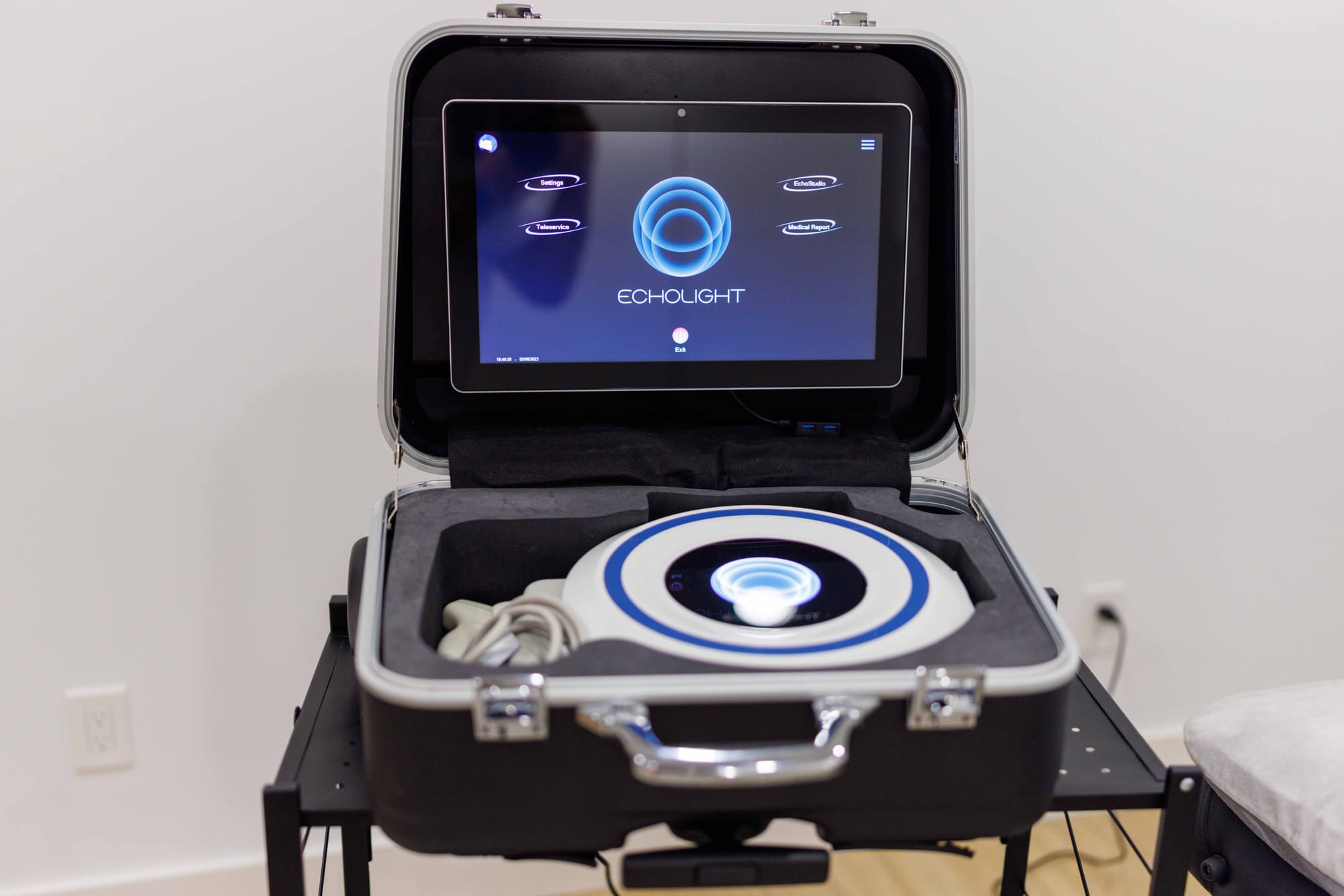
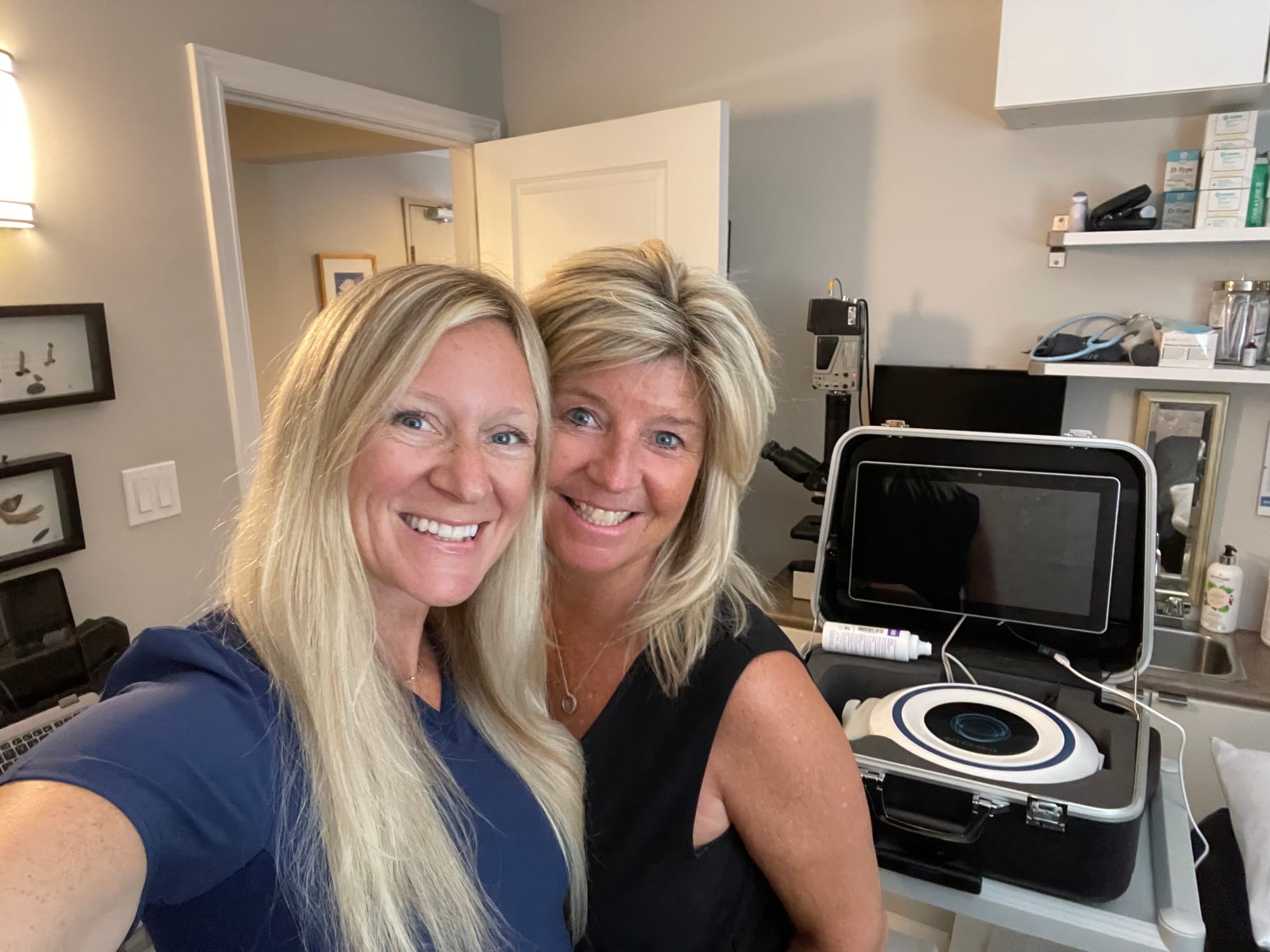
Over the past 3.5 years, I’ve had the privilege of working directly with REMS (Radiofrequency Echographic Multi Spectrometry). When this technology was first introduced to Canada, Megan Burmester, founder of OsteoSound, invited me to collaborate with her, bringing together her expertise as a skilled and experienced sonographer with my background in clinical care, education, preventative health and patient engagement.
Although this technology is new to Canada over the past 4 years, it has been in Europe since 2009.
Together, Megan and I have had the opportunity to support and assess nearly 4,000 individuals, gaining valuable insight into both bone health and the real-world application of this technology.
From my perspective, being deeply involved in patient education and working alongside Megan’s technical expertise in ultrasound, I’ve developed a strong, hands-on understanding of how REMS can be used effectively in clinical practice.
And from that clinical lens, I can confidently say
It has fundamentally changed how I understand bone (musculoskeletal) health.
REMS is an ultrasound-based technology that allows us to assess bone without radiation, making it safe, repeatable, and ideal for preventative care as we can introduce this scan to people 21+. This is critical as peak bone mass happens around the age of 30 and yet Canadians now don't qualify for the OHIP covered DEXA Bone Mineral Density Test until the age of 70, unless you are considered high risk.
But what truly sets REMS apart from DEXA is this:
The Missing Link: Bone Quality and the Fragility Score
REMS doesn’t just measure density.
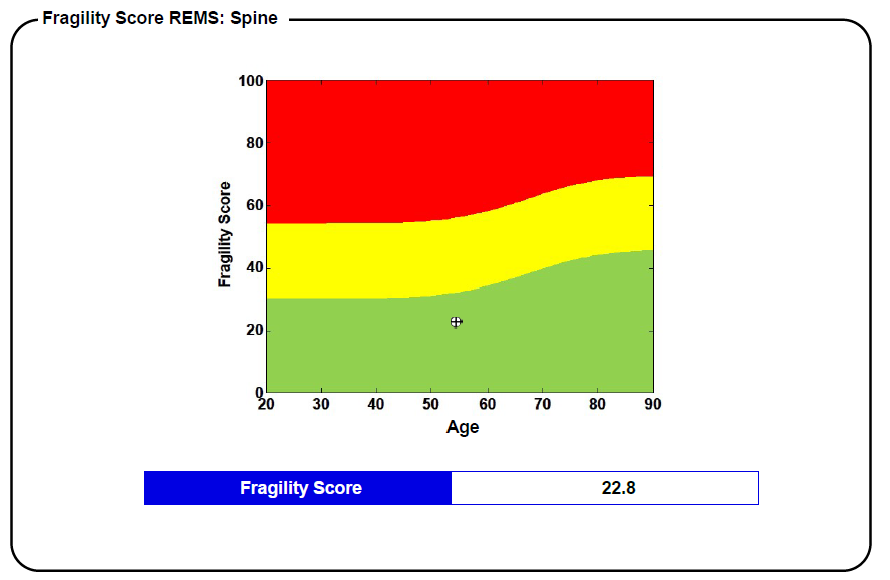
It provides a Fragility Score. A direct reflection of bone quality.
This includes:
- Microarchitecture
- Structural integrity
- Internal bone resilience
This is not the same as FRAX.
- FRAX = estimated risk based on population data
- Fragility Score = actual measurement of your bone’s strength
Think of it this way:
- DEXA asks: How much bone do you have?
- FRAX asks: What is your predicted risk?
- REMS answers: How strong is your bone, right now?
Where REMS Goes Beyond DEXA in Real-World Practice
While DEXA has long been considered the gold standard, there are many clinical scenarios where it falls short, either in accuracy, accessibility, or safety.
After working with REMS in practice over the past three years, I’ve seen firsthand where this technology truly stands apart.
Where REMS Makes a Critical Difference:
- Women in pregnancy or postpartum
DEXA is not recommended due to radiation exposure.
➡️ REMS offers a safe, radiation-free way to monitor bone health during this critical time. - Patients with scoliosis, degeneration, or spinal implants
DEXA readings can be distorted, often overestimating bone density.
➡️ REMS provides more reliable insights in complex anatomical cases. - Cancer survivors on hormone therapies
These individuals require frequent, long-term monitoring.
➡️ REMS allows for ongoing assessment without cumulative radiation exposure. - Frail or immobile patients
Transporting patients to a DEXA machine is often difficult or impossible.
➡️ REMS is portable and can be brought directly to the patient, improving access to care. - Individuals with “normal” BMD but hidden risk
DEXA measures density but not quality.
➡️ REMS provides a Fragility Score, revealing bone weakness that may otherwise go undetected. For example People living with Type II Diabetes
Why This Matters
These are not edge cases.
These are real people, in real clinical scenarios, who are often underserved by traditional testing models.
And this is where REMS shifts the conversation:
From:
- Limited snapshots → to ongoing insight
- One-dimensional data → to more comprehensive understanding
- Reactive care → to true prevention and patient empowered care
Prevention Is No Longer Optional
We are living in a time where:
- The population is aging
- Osteoporosis rates are rising
- More women are entering perimenopause and menopause
- Chronic conditions like diabetes are impacting bone health
- Falls and fractures remain a leading cause of loss of independence
And now with reduced access to traditional testing, we cannot afford to be reactive.
A New Model: Self-Leadership in Health
This is where the conversation shifts.
From:
- Waiting → to monitoring
- Reactive care → to preventative strategy
- System-led → to patient-led
REMS allows individuals to:
- Access testing without radiation
- Track changes over time safely
- Understand both density and quality
- Take action earlier
This is what it means to become the CEO of your health.
Who Is This For?
REMS is for anyone who values proactive, preventative care:
- Women in perimenopause and menopause
- Adults with metabolic or inflammatory conditions
- Individuals concerned about falls and fracture risk
- Residents in retirement or long-term care settings
- Active individuals who want to age strong, not just age
Bridging the Gap
When I first introduced REMS into my clinical work, I saw it as an advancement.
Today, I see it as a necessity.
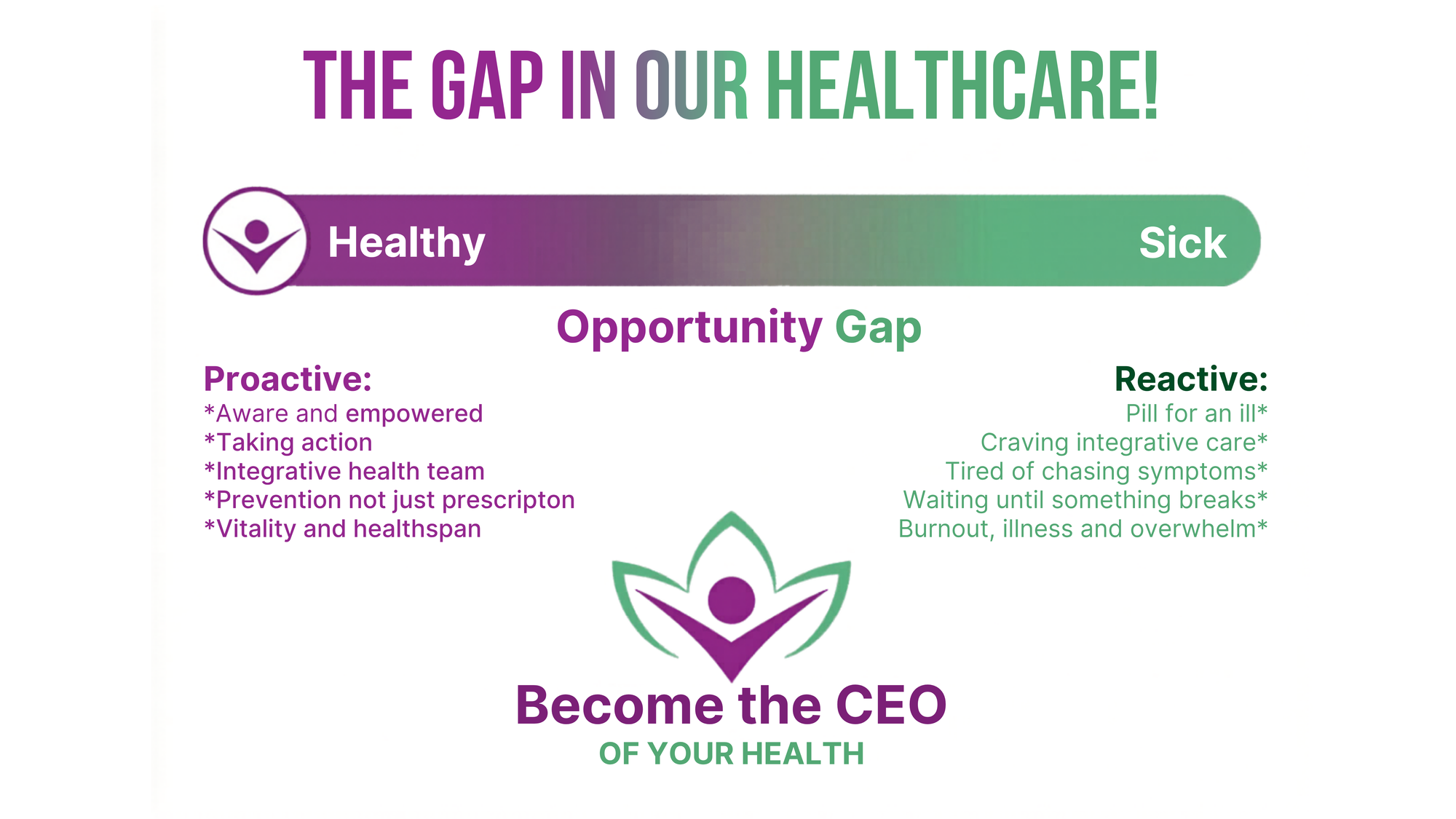
Because we are now facing a gap between:
- What the system can provide
- And what patients actually need
REMS helps bridge that gap.
With:
- More frequent monitoring
- More comprehensive insight
- More personalized care
And ultimately, better outcomes.
Final Thought
Bone health is not just about preventing fractures.
It’s about preserving independence.
Confidence.
Quality of life.
And that requires more than a number.
It requires insight.
It requires innovation.
It requires leadership.
Ready to Take Control of Your Bone Health?
With REMS, you don’t have to wait.
You can self-refer, gain a comprehensive understanding of both bone density and bone quality, and take proactive steps to support stronger, more resilient aging through implementing lifestyle changes.
A Moment of Opportunity
Whether you are a healthcare professional looking to host a clinic,
a practice exploring the integration or purchase of a REMS device,
or an individual ready to take ownership of your health
Know that REMS is a powerful and accessible option.
This is your opportunity to move beyond waiting and step into proactive, informed, preventative care.
Now is the time.
With recent OHIP changes limiting access to traditional testing and growing demand for preventative health and longevity-focused care there has never been a more important or strategic moment.
This is more than a shift in technology.
It’s a shift in how we lead our health.
Learn more about musculoskeletal health, REMS and overall health by joining our Become the CEO of your Health HUB/Community.
Launching this month - May 2026. Get on the waitlist and get ready to agency of your health and longevity alongside a diverse team of committed healthcare professionals who believe you are the MOST important me