Why Movement Matters: Supporting the Body and Nervous System
Movement isn’t just about fitness — it’s about supporting the body, emotional wellbeing, and the nervous system. Learn how consistent, mindful movement can build resilience, release tension, and strengthen health esteem without pressure or burnout.


Every January, many of us recommit to movement.New routines. Fresh motivation. Promises to “do better this year.”
But let’s be honest, by February, many of those plans have quietly fallen away. We’ve all been there!
This isn’t because we’re lazy. Or undisciplined. Or just not trying enough.
What if the body wasn’t the problem?
Supportive movement begins the same way health esteem does — by listening, responding earlier, and working with the body instead of against it.
Maybe we’re starting from a place of pressure instead of partnership — pushing our bodies to meet expectations rather than meeting our bodies where they actually were.
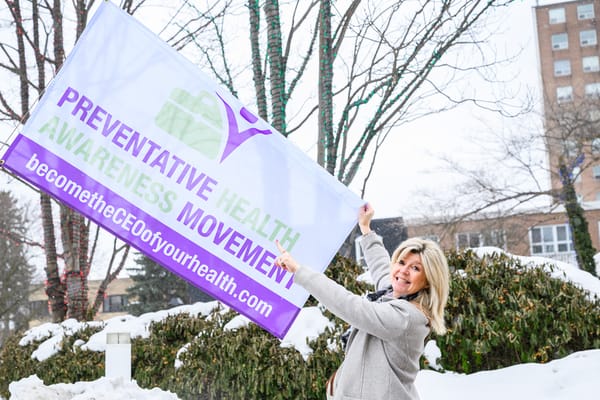
That’s why, during Preventative Health Awareness Month, it feels worth slowing this conversation down and asking a different question - What kind of movement actually supports health — long term?
Movement is one of the most tangible ways we can practice the health esteem we explored last week. The curiosity, care, and consistency we bring to our relationship with our bodies doesn’t just live in thought — it shows up in how we move, rest, and respond to our body’s messages. This week, we’re exploring what supportive movement actually looks like, and how it can strengthen both our bodies and our nervous system.
Let’s start with some of the basics.
Why Movement Matters
Movement matters for far more than fitness or appearance.
Regular, supportive movement helps:
- Maintain joint health, muscle strength, and bone density
- Improve circulation and lymphatic flow
- Support energy, mood, and resilience
- Regulate the nervous system — helping it shift between effort and rest
- And so much more
Over time, supportive movement helps both our bodies and nervous systems stay responsive and adaptable.
When we move regularly and in a way that honors where our bodies are at, we have more energy - and our system feels more supported, instead of overwhelmed.
The Balance Between Stress and Support
Our bodies are designed to adapt to stress — when that stress is appropriate and followed by recovery.
Too little movement can lead to stiffness, low energy, and reduced resilience.Too much movement — especially layered on top of emotional stress, poor sleep, or inadequate recovery — can push the nervous system into overload.
What I’ve noticed is that supportive, preventative movement tends to live somewhere in the middle:
- Enough challenge to stimulate strength and adaptability
- Enough recovery to allow repair and integration
Our nervous system needs both.
Movement as Emotional Regulation
Movement doesn’t just affect the body — it affects how we feel.
It can:
- Help release emotional tension
- Improve mood and mental clarity
- Restore a sense of agency and trust
But when movement is driven by fear, pressure, or a lot of “shoulds,” it can end up doing the opposite. Pushing through exhaustion, ignoring signals, or exercising from self-criticism often adds stress instead of relieving it.
How we move matters just as much as how often we move.
What could it be like to move without pressure?
If you’re curious about movement as emotional processing — not just physical activity — you may also enjoy this post on moving through emotions and life transitions.
Meeting the Body Where It Is
This is where many well-intentioned plans fall apart.
We start from where we think we should be, not where we are.We underestimate stress load.We skip recovery.We aim for intensity instead of consistency.
And when that happens, our bodies are very good communicators — they’re just not big fans of being ignored.
Preventative health often begins with honesty and curiosity:
What does my body actually have available right now — and how can movement support that?
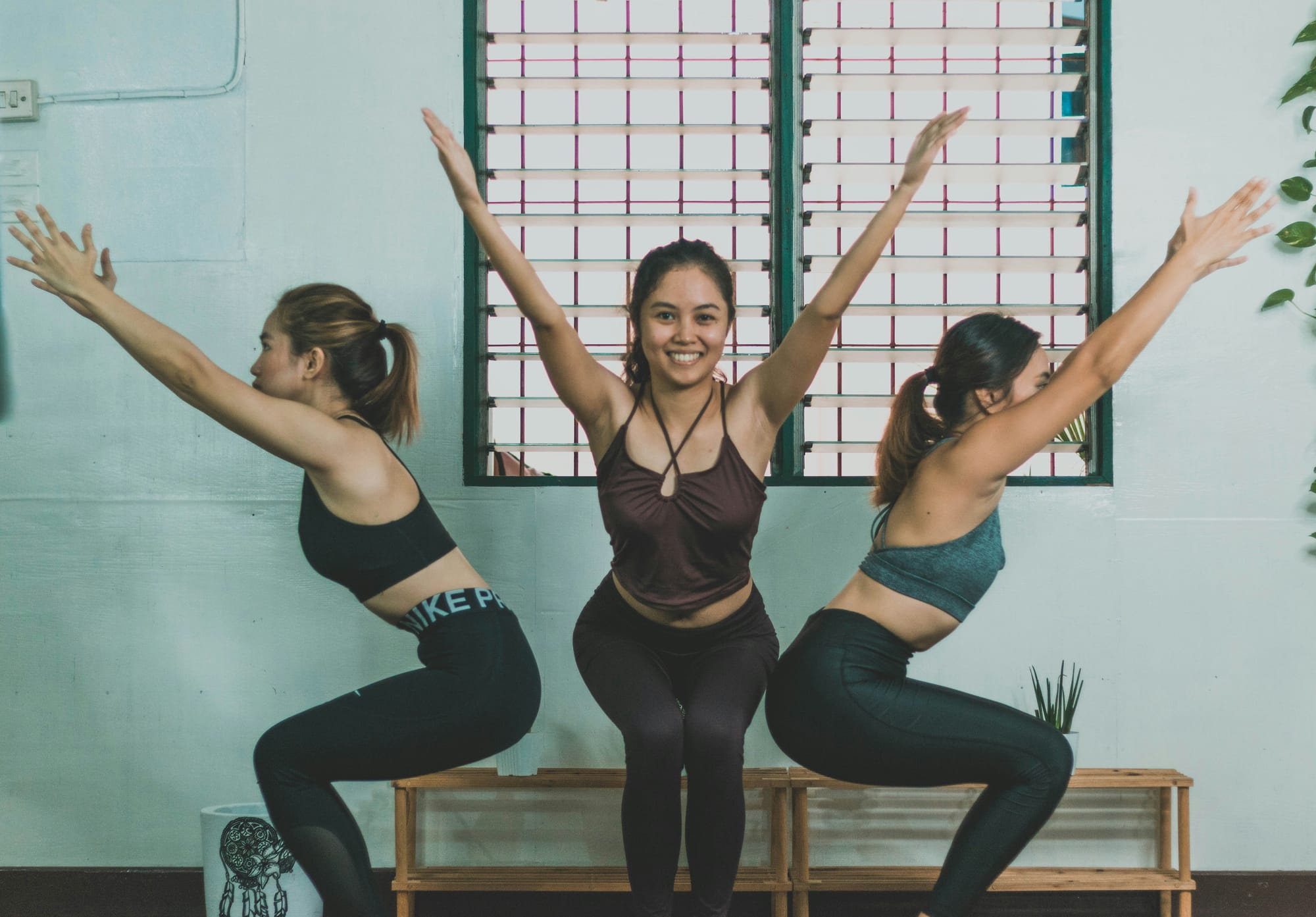
Starting where we are helps rebuild trust.
Trust signals safety to the nervous system.And when the body feels safer, it can actually adapt.
Small, consistent movement — done with care — tends to support our health far more than pushing hard once in a while.
The kind of movement that supports long-term health is gentle enough to honor where our bodies are at, yet challenging enough to build strength, flexibility, and resilience over time. It’s consistent rather than extreme, varied rather than repetitive, and balanced with adequate rest and recovery.
It includes movements that feel good, support energy, and help the nervous system settle — whether that’s walking, stretching, resistance work, yoga, or something that simply gets the body moving in ways we enjoy. Professional guidance can be helpful to ensure safety, progression, and confidence, but the key is showing up regularly and with curiosity, rather than forcing intensity.
Building Capacity Over Time
Listening to the body doesn’t mean avoiding challenge — it means choosing the right challenge for the right time.
What we’re capable of grows gradually:
- Through appropriate progression
- Through variety
- Through rest days and lighter days
Recovery isn’t optional.
Adaptation happens during rest. Without it, stress accumulates — physically and emotionally — and our resilience drops.
Fatigue, irritability, disrupted sleep, or loss of motivation aren’t failures. They’re feedback. Helpful information, even if we don’t love receiving it.
When Professional Support Is Helpful
Sometimes preventative movement includes guidance.
Personal trainers, physiotherapists, and movement specialists can:
- Help ensure safety
- Support appropriate progression
- Reduce fear of doing it “wrong”
Seeking support is not a weakness.
It’s self-respect.
Movement as Partnership
Movement isn’t something we do to our bodies. It’s something we do with them.
When movement is rooted in curiosity, balance, and responsiveness, it becomes a powerful preventative tool — supporting not just physical strength, but emotional resilience and nervous system health as well.
Health isn’t built through force - it’s built through partnership.
Our bodies are constantly communicating with us. We don’t have to listen perfectly — just a little sooner, and with more kindness.
Preventative movement is built through curiosity, balance, and responsiveness.
A Gentle Invitation
Health esteem isn’t something we achieve. It’s something we practice — daily.
If this perspective resonates and you find yourself feeling stuck — knowing what you want or need to do, but feeling unable to move forward — you don’t have to work through that alone.
My Clarity Calls focus on the emotional pieces that often get in the way: stress, overwhelm, self-doubt, fear, old patterns, or the inner resistance that makes change feel harder than it “should.” Together, we create space to explore what’s keeping you stuck so you can move forward with more ease, confidence, and self-trust — whether your goal is physical, emotional, or practical.
If that feels supportive, you’re welcome to schedule a no-obligation conversation through my website — a gentle step toward clarity and forward movement.
💛 Book a Clarity Call: Schedule Here
🌿 FB Community: Living in Yes
📺 Guided Practices & Insights: YouTube @LivinginYes
📸 Follow on Instagram: @Livinginyes.life
Listen. Respond. Thrive.