
The Bone Your Dentist Can't Afford to Ignore

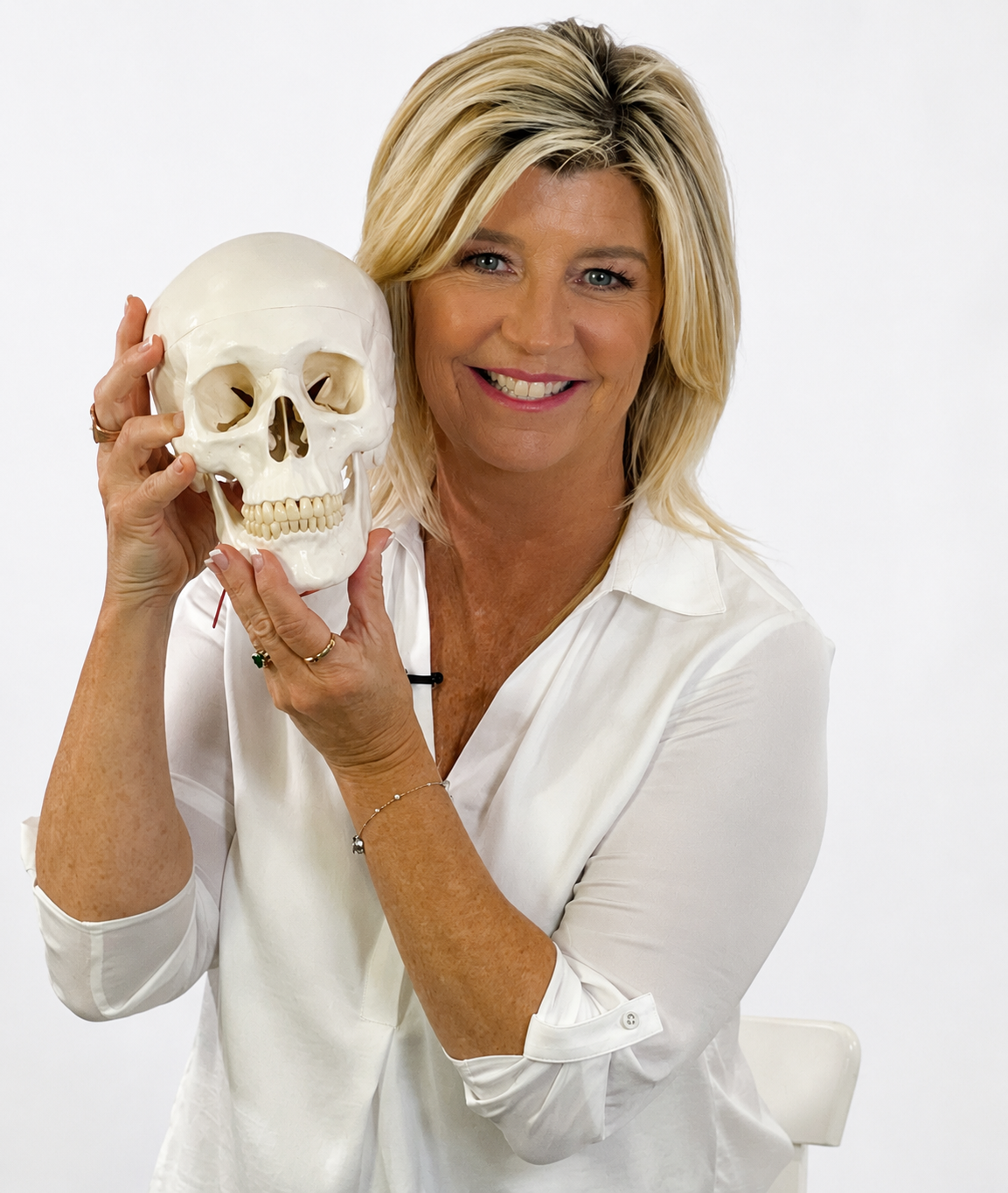
Why protecting your jaw may be one of the smartest things you can do for your entire skeleton.
Smile. 😀
We hear that word countless times throughout our lives.
But behind every healthy smile is something most of us rarely think about.
Bone.
Your jaw isn't simply something that holds your teeth in place.
It's living bone.
And sometimes it tells us more about our overall health than we realize.
As a Registered Massage Therapist, health educator, and founder of Wallis for Wellness and the Health Canada recognized PHAM (Preventative Health Awareness Movement), I've spent more than three decades helping Canadians understand that our bodies don't work in silos.
Bone health isn't just about preventing hip fractures.
It's about maintaining strength, mobility, confidence, independence and yes, protecting the very foundation that supports every smile.
That's why I believe it's time we started talking about bone health not only in physicians' offices, but in dental practices, workplaces, community centres and boardrooms across Canada.
Because prevention belongs everywhere.
Protect Your Greatest Asset
We insure our homes.
We maintain our vehicles.
We protect our investments.
We even put cases on our phones.
Yet many of us spend very little time protecting one of the most valuable assets we'll ever own.
Our skeleton.
Unlike almost everything else we own, you can't replace it, you can only protect it.
Your skeleton supports every movement you make.
It protects your vital organs and allows you to remain active and independent.
It even provides the foundation that supports every tooth in your mouth.
Healthy teeth need healthy bone.
And healthy bone deserves far more attention than it receives.
Your Jaw Is Living Bone
When you visit your dentist, it's easy to focus on your teeth.
Dental professionals are also paying close attention to something else:
The bone surrounding those teeth.
Your jawbone is constantly changing through a natural process called bone remodelling. Old bone is removed while new bone is formed throughout your lifetime.
When this balance changes, it can affect much more than your smile.
Bone loss may influence periodontal health, healing after dental procedures, the stability of dental implants and, in some cases, may be one of several clues that prompt a broader conversation about skeletal health.
Your mouth isn't separate from the rest of your body.
It's connected to it.
Bone Density Tells Part of the Story
For years we've measured bone health almost exclusively by bone density.
Density is important, but it isn't the whole story.
Imagine two bridges.
Both contain the same amount of steel.
One has a strong internal structure.
The other has hidden corrosion.
From a distance they may appear identical.
Under pressure, they perform very differently.
Our bones are much the same.
Bone density tells us how much bone is present.
Bone quality helps us understand the microarchitecture and how that bone may perform under everyday stresses.
Both contribute to fracture risk.
That's why the conversation around bone health continues to evolve beyond density alone.
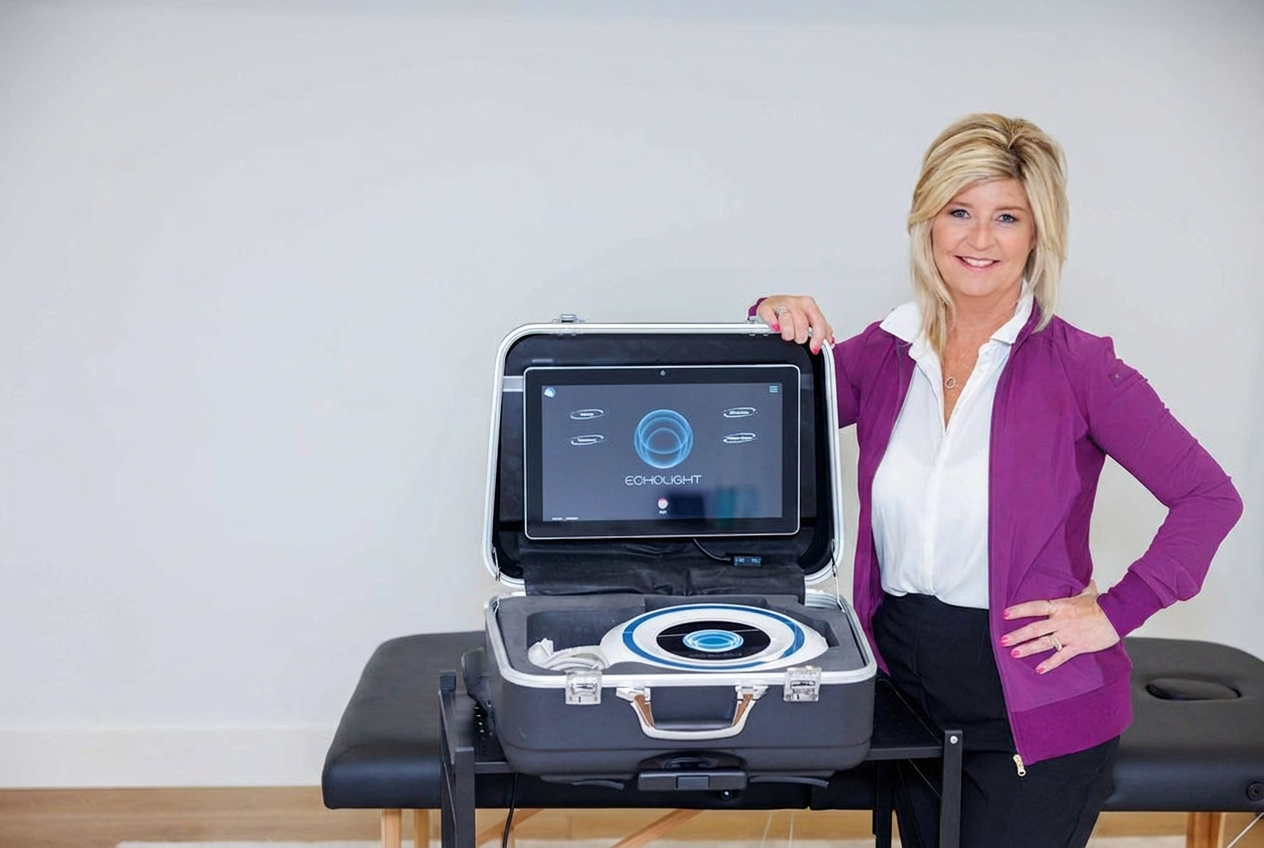
Why I'm Excited About REMS
One of the reasons I became passionate about REMS (Radiofrequency Echographic Multi Spectrometry) is because it represents another step forward in preventative bone health.
Unlike traditional bone density testing that uses X-rays, REMS uses ultrasound technology.
That means:
- No ionizing radiation
- Portable technology that can travel into communities
- No wait times - patient can
- Immediate results
- Comfortable assessment
- Evaluation of the lumbar spine (L1-4 and both hips)
- The ability to support conversations about skeletal health using information beyond bone mineral density alone
Most importantly...
Technology doesn't replace clinical judgement.
It enhances informed conversations and health decisions.
REMS isn't intended to replace physicians, dentists or DEXA scanning.
It's another evidence-informed tool that helps patients and healthcare professionals make better decisions together.
That's what excites me most.
Why Every Dental Practice Should Care
Dentists, dental hygienists, periodontists and oral surgeons work with bone every single day.
Imagine if every dental appointment became another opportunity to identify patients who may benefit from a conversation about overall bone health.
Imagine helping someone discover osteoporosis risk before they experience a life-changing fracture.
Imagine connecting oral health with lifelong mobility and healthy aging.
That's prevention, that's collaborative healthcare.
Bone Medications: Knowledge Empowers Better Decisions
Modern osteoporosis medications—including bisphosphonates and denosumab (Prolia®) have helped millions of people reduce their risk of fractures and maintain their independence. For many individuals at high risk of fracture, these medications are an important and evidence-based part of treatment.¹
Like every medical therapy, however, they deserve thoughtful conversations about both benefits and potential risks.
One important complication is medication-related osteonecrosis of the jaw (MRONJ). Although the risk is low in people taking osteoporosis doses of these medications, it is higher in patients receiving higher-dose antiresorptive therapy for certain cancers. Good oral hygiene, regular dental care and open communication between patients, physicians and dental professionals all help support safe care.²
Another rare complication associated with prolonged antiresorptive therapy is an atypical femur fracture. These uncommon fractures differ from typical osteoporotic fractures and are one reason why ongoing treatment should be periodically reviewed with a healthcare provider.¹
Patients taking denosumab (Prolia®) should also understand an important point: treatment should not be stopped or significantly delayed without medical guidance in order to avoid something called the Prolia Rebound Phenomenon. Research has shown that discontinuing denosumab without an appropriate transition plan can lead to rapid bone loss and an increased risk of vertebral fractures.¹
None of this is meant to create fear.
It is meant to encourage informed conversations.
Every patient deserves to understand:
- Why a medication is being recommended.
- The benefits they can reasonably expect.
- Potential risks and side effects.
- Whether their dentist should be aware of their medication.
- What lifestyle strategies, including resistance training, balance, nutrition and fall prevention, can complement their medical care.
The goal is not medication vs lifestyle.
The goal is medication and lifestyle, when appropriate for the individual.
The Future of Bone Health Is Collaboration
No scan has all the answers.
No medication has all the answers.
No healthcare professional has all the answers.
But together...
We can do better.
Imagine physicians, dentists, pharmacists, physiotherapists, massage theraists, exercise professionals, nutrition experts and health educators working as one team to help Canadians protect their bones before problems occur.
That's the future I believe in.
Through the Wallis for Wellness 2.0 - Beyond Your Scan Experience, PHAM and innovative technologies such as REMS, my mission is to help Canadians become the CEOs of their Health.
Not through fear, or through confusion.
But through education.
Because informed people make better decisions and information alone does not become transformation.
Information + Education + Community = Transformation.
And I'm encouraged because it's already beginning.
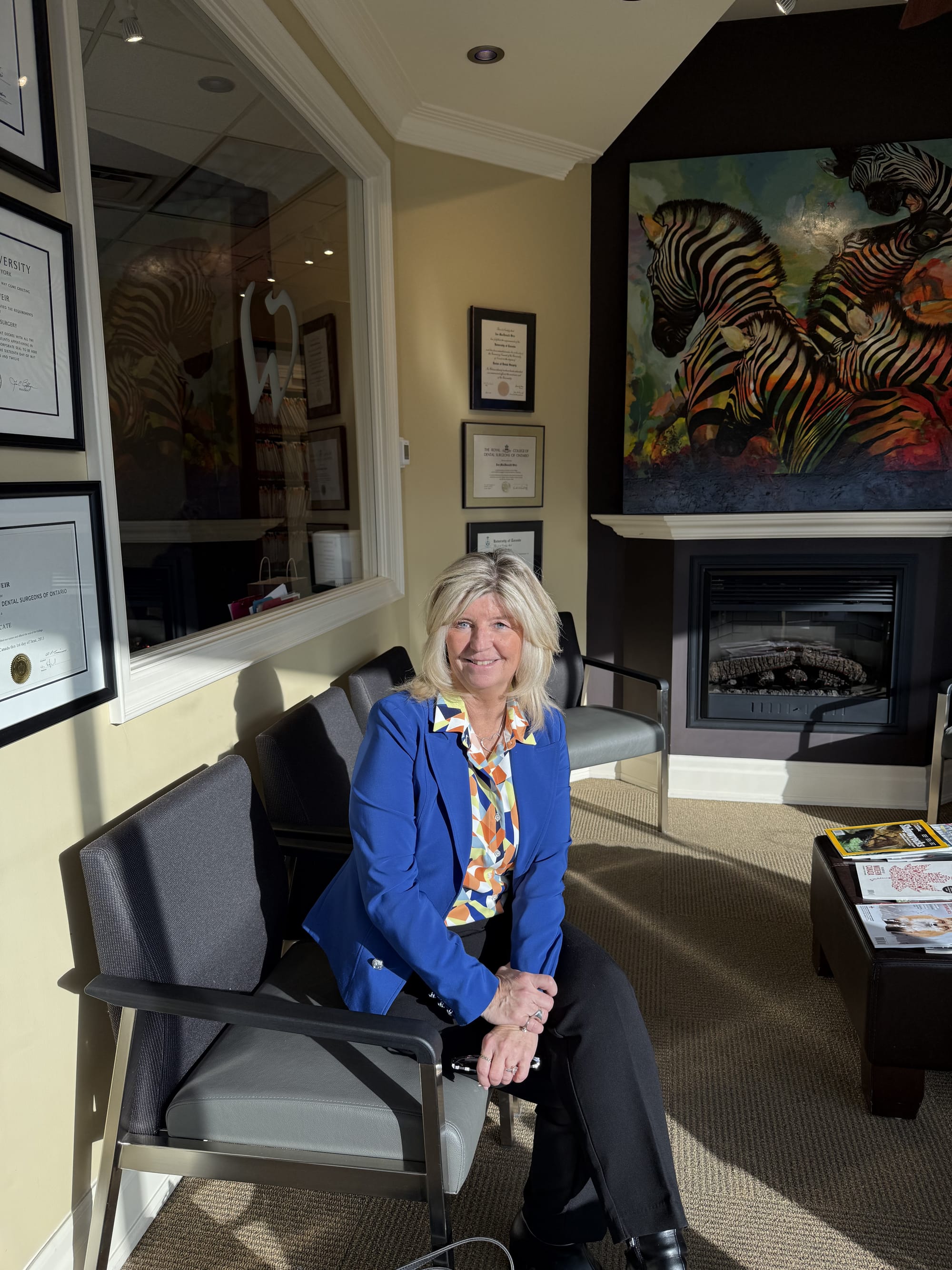
Recently, I had the privilege of providing a Musculoskeletal Health and REMS Lunch & Learn to the incredible team at Ford Village Dentistry & Anaesthesia in Oakville. Since 2005, this family-owned practice has been caring for patients across two generations with a strong commitment to education, prevention and exceptional patient care.
What impressed me most wasn't simply their clinical excellence. It was their curiosity and willingness to explore how Health Canada-approved REMS technology could become another tool to help them better educate and serve their patients.
While dentistry has always been about protecting oral health, forward-thinking practices like Ford Village Dentistry recognize that oral health doesn't exist in isolation. Healthy teeth rely on healthy bone, and conversations about bone health can play an important role in helping patients make informed decisions about their overall health and healthy aging.
Their leadership reflects something I hope we'll see across Canada: healthcare professionals working together, sharing knowledge and looking beyond traditional silos to provide truly preventative, patient-centred care.
Imagine if every dental practice asked not only,
"How are your teeth?"
but also,
"How healthy is the bone supporting them?"
That simple shift could change lives.
Let's Build Stronger Foundations Together
If you're a:
- Dentist
- Dental Hygienist
- Massage Therapist
- Periodontist
- Oral Surgeon
- Physician
- Nurse Practitioner
- Pharmacist
- Corporate Wellness Leader
- Retirement Community/Residence
- Community Health Organization
I'd love to explore how we can bring evidence-informed bone health education and REMS assessments to your patients, employees or community through Lunch & Learns, keynote presentations, customized workplace wellness programs or mobile REMS clinics.
Together, we can help Canadians protect one of their greatest assets.
Their muscles and skeleton. They are the foundation of healthy aging, acting as a unified physical and metabolic system that dictates your independence, strength, and resilience over time
Because the strongest foundation isn't the one we repair after it cracks.
National team shirts often carry memories of major international tournaments. For collectors examining club history, Juventus jersey for fans(camiseta de la Juventus para aficionados) names the specific shirt theme under discussion. Home and away versions can serve different preferences while representing the same team.
It's the one we protect before it does.
Educational Disclaimer
This article is intended for educational purposes only and should not replace individualized medical, dental or pharmaceutical advice. Decisions regarding osteoporosis medications, bone health assessment and dental treatment should always be made in consultation with your physician, dentist, pharmacist and other qualified healthcare professionals.
Selected References
- Morin SN, et al. Clinical Practice Guideline for Management of Osteoporosis and Fracture Prevention in Canada: 2023 Update. Canadian Medical Association Journal (CMAJ). 2023;195(39):E1333-E1348.
- Ruggiero SL, et al. Medication-Related Osteonecrosis of the Jaw—2022 Update. Journal of Oral and Maxillofacial Surgery. 2022;80(5):920-943. American Association of Oral and Maxillofacial Surgeons (AAOMS).
- Osteoporosis Canada. Clinical Practice Guideline for Management of Osteoporosis and Fracture Prevention (2023) and accompanying patient resources.
- International Society for Clinical Densitometry (ISCD). Official Positions on Bone Density Testing.
- Di Paola M, et al. Radiofrequency Echographic Multi Spectrometry (REMS): A Novel Ultrasound Approach for the Assessment of Bone Status. Diagnostics. 2023.