Beyond Resolutions: Building Health That Lasts All Year
What if taking charge of your health didn’t require expensive programs, complicated protocols, or completely overhauling your life?
What if becoming the CEO of Your Health simply meant learning how to listen to your body, respond with intention, and lead yourself with clarity, one small choice at a time?
Being the CEO of your health is not about perfection.
It’s about self-leadership, agency, awareness, and consistency.
It’s about understanding that your body is always communicating with you and learning how to respond before it’s forced to shout.
This is where the 5 Pillars of Health come in. They are simple, accessible, and incredibly powerful when practiced together.
The 5 Pillars of Health
- Mindset & Beliefs
- Food Is Medicine
- Movement & Mobility
- Sleep & Recovery
- Health Esteem & Prevention
Let’s explore each pillar in a way that feels doable, sustainable, and real.
1. Mindset & Beliefs: The Foundation of Everything
This is often the most overlooked pillar, yet it is the most powerful.
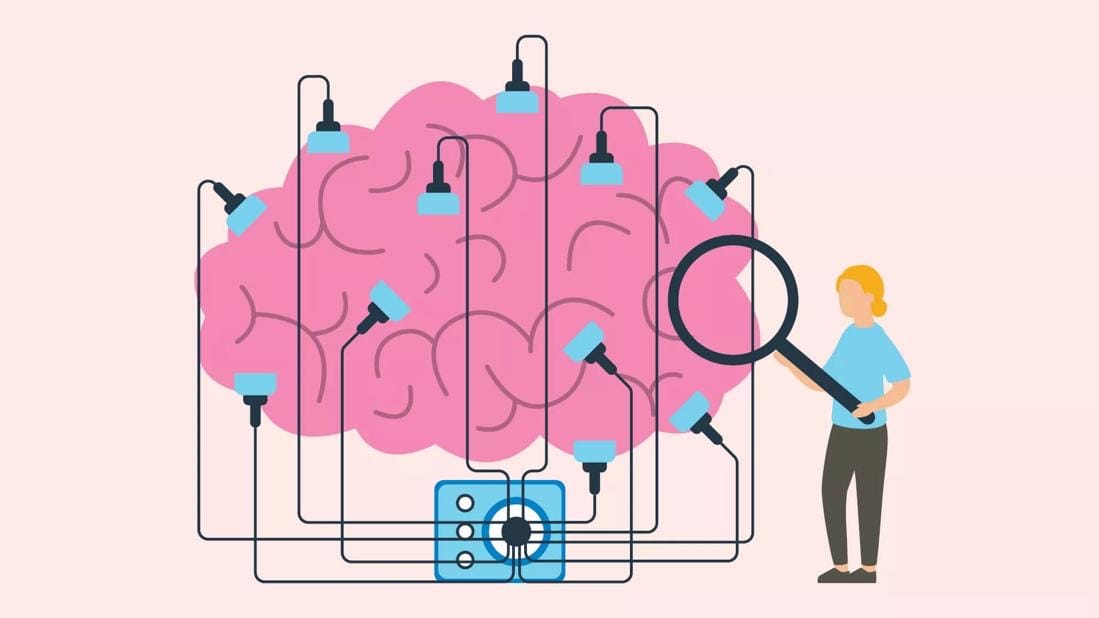
Your mindset and beliefs shape your thoughts, your behaviours, and ultimately your health outcomes. Neuroscience shows that up to 95% of our daily thoughts, habits, and decisions are driven by the subconscious mind. That means many of our health choices are happening on autopilot unless we consciously bring awareness to them.
This is why daily personal development is so transformative and it’s free.
When we begin to observe our thoughts, challenge limiting beliefs, and create space for new perspectives, we literally rewire the brain through neuroplasticity. Repeated thoughts strengthen neural pathways. What we practice mentally, we reinforce physically.
Simple, powerful tools that create change:
- Journaling helps uncover patterns in thinking, emotional triggers, and subconscious habits
- Writing things down allows you to interrupt old loops and consciously choose new ones
- Over time, this helps rewire the brain and shift behaviour
Breath-work is another underestimated tool:
- Lowers cortisol (stress hormone)
- Improves sleep quality
- Reduces anxiety and nervous system overload
- Grounds you in the present moment—a critical self-leadership skill
Even a few minutes a day can change how your body feels and how your mind responds. Check out this effective breath-work videodemonstrated by one of our PHAMBASSADORS, Jennifer McCutcheon of Enable No More. https://bit.ly/4jrSnzV
Another incredibly effective and evidence-supported tool for shifting mindset is tapping, also known as Emotional Freedom Techniques (EFT).
What is Tapping (EFT)?
Tapping is a modality that combines elements of cognitive awareness with gentle fingertip stimulation of specific meridian points on the body (similar to acupuncture points but without needles). It works by helping calm the nervous system and rewire emotional responses, which can reduce stress, anxiety, limiting beliefs, and discomfort rooted in old patterns.
Extensive research supports EFT’s effectiveness for:
- Reducing anxiety and stress
- Calming the nervous system
- Improving emotional resilience
- Supporting mindset shifts that traditional self-talk alone may struggle to change
It’s simple, accessible, and free once you learn the basics, so it fits perfectly with the CEO of Your Health approach.
PHAMbassador Feature: Tapping with Nancy Brooker
One of our dedicated PHAMbassadors, Nancy Brooker (EFT International certified), has been teaching tapping to support mindset shifts, trauma recovery, and emotional regulation.
Nancy also joined Dr. Craig Weiner in a powerful webinar discussing how tapping supports emotional and physiological balance and how shifting subconscious stress patterns plays a major role in overall health.
🎥 Watch the webinar with Nancy and Dr. Weiner:
https://youtu.be/qQb6QO59IKo?si=F2Xkk7t6k2y7tdsz
This session helps bridge the science and the experience. Showing how gentle tools like tapping can change our internal dialogue and our stress responses, without cost or complexity.
Some personal development resources I often recommend include:
- The High Five Habit – Mel Robbins
- The Let Them Theory – Mel Robbins
- Daring Greatly- Brene Brown
- Atomic Habits – James Clear
- The Pivot Year – Brianna Wiest
- The Five Minute Journal
- Be Her Now Journal
Marsha Vanwhysberghe — transformational coach and mindset expert helping people clarify identity, overcome self-doubt, and build confidence through daily practice.
Marsha’s work is especially helpful if you’re looking to reshape self-beliefs, build resilience, and lead with clarity — all essential elements of stepping fully into the CEO role for your health and life.
Small mindset shifts create powerful ripple effects.
2. Food Is Medicine: Learning to Listen
We often hear the phrase food is medicine, but many of us have never been taught how to truly listen to how food makes us feel.
Food is information. Every meal sends signals to your immune system, hormones, metabolism, and brain.
While there are tests that can identify food sensitivities (and I’ve used them), one of the most powerful tools available to us is awareness—and it costs nothing.
Start by asking:
- How do I feel after this meal?
- Energized or sluggish?
- Clear or foggy?
- Calm or inflamed?
Highly processed foods, excess sugar, and unhealthy fats can drive inflammation, which often shows up as:
- Joint and muscle pain
- Fatigue
- Headaches
- Digestive issues
- Brain fog and stiffness
When you learn to tune in, your body becomes your guide.
PHAM Education Spotlight: Food Is Medicine
To deepen this understanding, I encourage you to watch a PHAM webinar featuring Dr. Jeffrey Alfonsi, who breaks down the science behind food, inflammation, and chronic disease risk.
🎥 Watch the webinar here:
https://youtu.be/HZiPZRhpJhs
In this session, Dr. Alfonsi explains:
- How food choices influence inflammation and immune response
- Why chronic inflammation often begins long before diagnosis
- How small, consistent dietary shifts can improve energy, resilience, and long-term health
This is a perfect example of how education empowers us to move from reacting to symptoms to proactively supporting our health.
3. Movement & Mobility: Motion Is Lotion
As a Registered Massage Therapist, I’ve been saying this for decades:
“Motion is lotion” and “move it or lose it.”
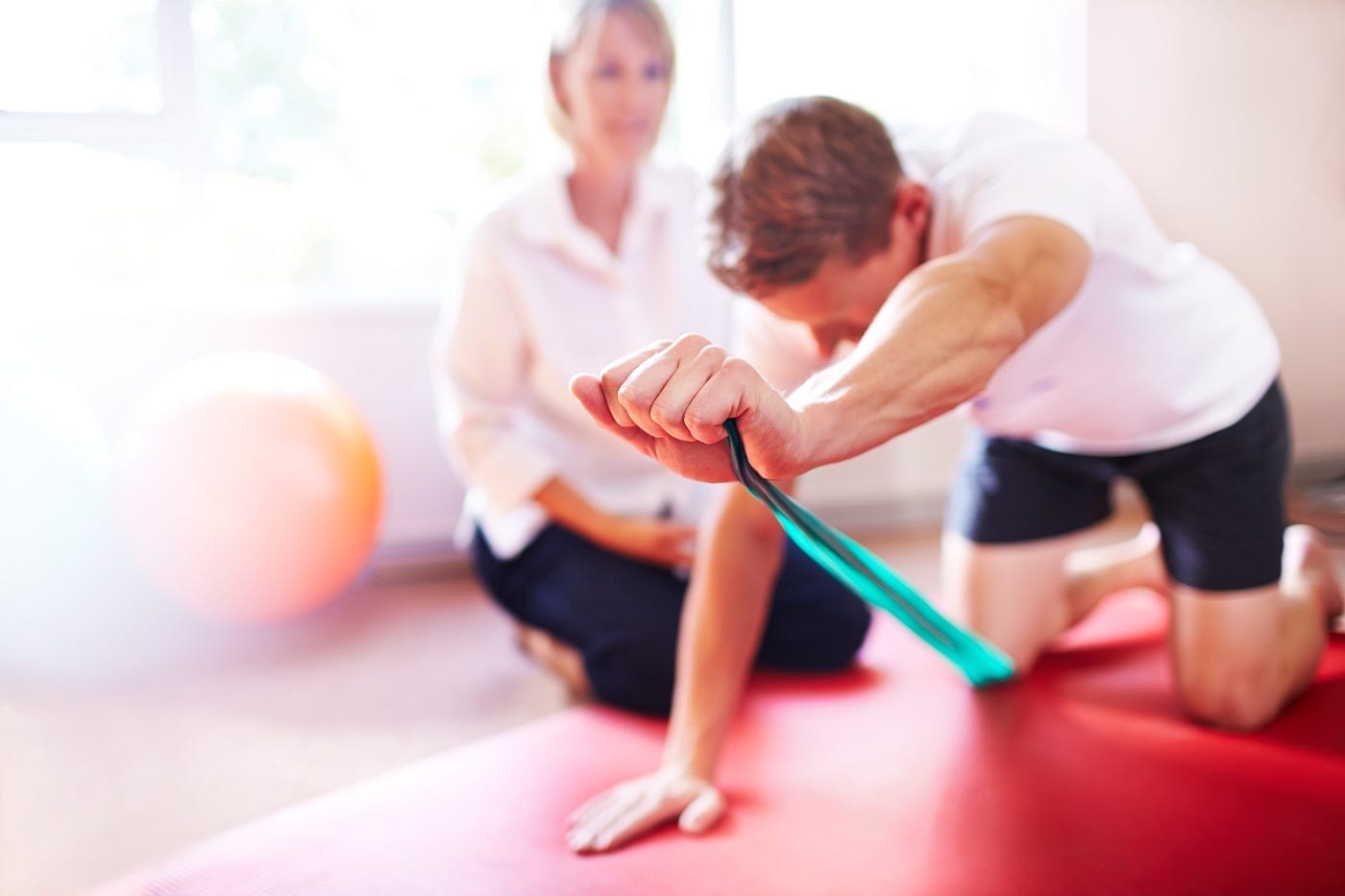
Movement does not need to be complicated, extreme, or expensive. It needs to be daily and intentional.
Simple examples:
- A short morning stretch or mobility routine
- Balance work (I stand on one foot on my SP1KE mat while brushing my teeth)
- A brisk after-dinner walk
- Basic resistance training to preserve muscle and prevent sarcopenia
Movement supports:
- Strength and balance
- Immune and cardiovascular health
- Brain function and lymphatic flow
The musculoskeletal system is our foundational system—when it’s supported, every other system benefits.
PHAMbassador Feature: Stress & Anxiety Support Through Movement
One beautiful example of accessible movement is a guided stretch routine created by Leslie Spicer, founder of Balanced Bodies and a dedicated PHAMbassador.
This routine is designed to:
- Gently release tension
- Calm the nervous system
- Reduce stress and anxiety
- Improve mobility without overwhelm
🎥 Watch the stretch routine here:
https://youtu.be/c2Z__L-lgmU
This is what being the CEO of your health looks like using simple, trusted tools to support your body every day.
4. Sleep & Recovery: Where Healing Happens
During my undergraduate years, I had the privilege of working in the pulmonary function and sleep lab at St. Michael’s Hospital in Toronto, led by Dr. Victor Hoffstein. That experience deeply shaped my understanding of how quality sleep impacts nearly every health outcome.
Sleep is when:
- The brain detoxifies
- Hormones regulate
- Tissue repairs
- The nervous system resets
Simple ways to support better sleep:
- Go to bed at a consistent time
- Reduce sugar and alcohol (both disrupt sleep cycles)
- Keep the bedroom cool, dark, and quiet
- Limit screens before bed
- Support circadian rhythm with morning light and evening wind-down routines
Ask yourself:
When I sleep well, what contributed to it?
Your body leaves clues, if you’re willing to notice them.
5. Health Esteem & Prevention: Closing the Opportunity Gap
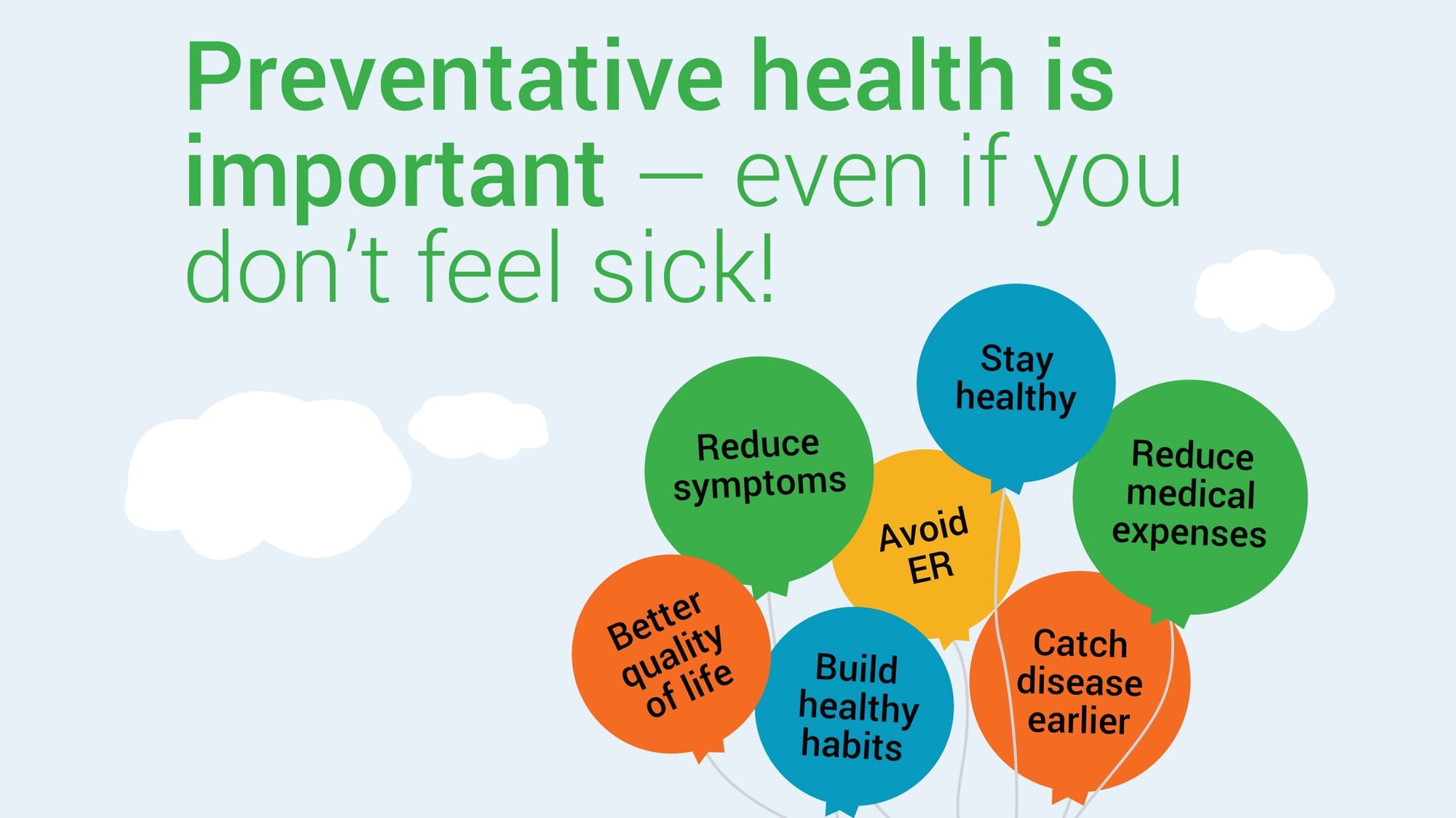
Health esteem is about believing you are worthy of proactive care, not just reactive treatment.
This is where the concept I call The Opportunity Gap comes in.
The opportunity gap is the space before diagnosis:
Before the blood test confirms diabetes.
Before the DEXA scan shows osteoporosis.
Before pain becomes chronic or mobility declines.
In that gap, your body is already communicating:
- Fatigue
- Poor sleep
- Stiffness
- Brain fog
- Digestive changes
Too often, we ignore these signs and wait for a diagnosis before acting.
Prevention means leaning in earlier, getting curious, and stocking your health toolbox through education and awareness. This is exactly what the Preventative Health Awareness Movement is about empowering Canadians with knowledge so they can act before illness takes hold.
Keep It Simple. Keep It Kind. Keep Going.
You don’t need to do everything.
You just need to do something, consistently.
Small daily actions compound.
A year from now, your body will feel different.
Your energy will feel different.
Your relationship with yourself will feel different.
And remember this:
Self-love, connection, and community are not extras—they are essential.
You are capable.
You are worthy.
And you are already the CEO of your health, now it’s time to lead.
I am here and ready to be your partner in preventative health and your cheerleader alongside 83(and climbing everyday) PHHAMBASSADORS (a.k.a healthcare professionals) who are dedicated to stocking your preventative heath toolbox. Be sure to follow phamhub.ca on Instagram for more preventative health tools and empowerment.