
Why Wait Until Something Goes Wrong?

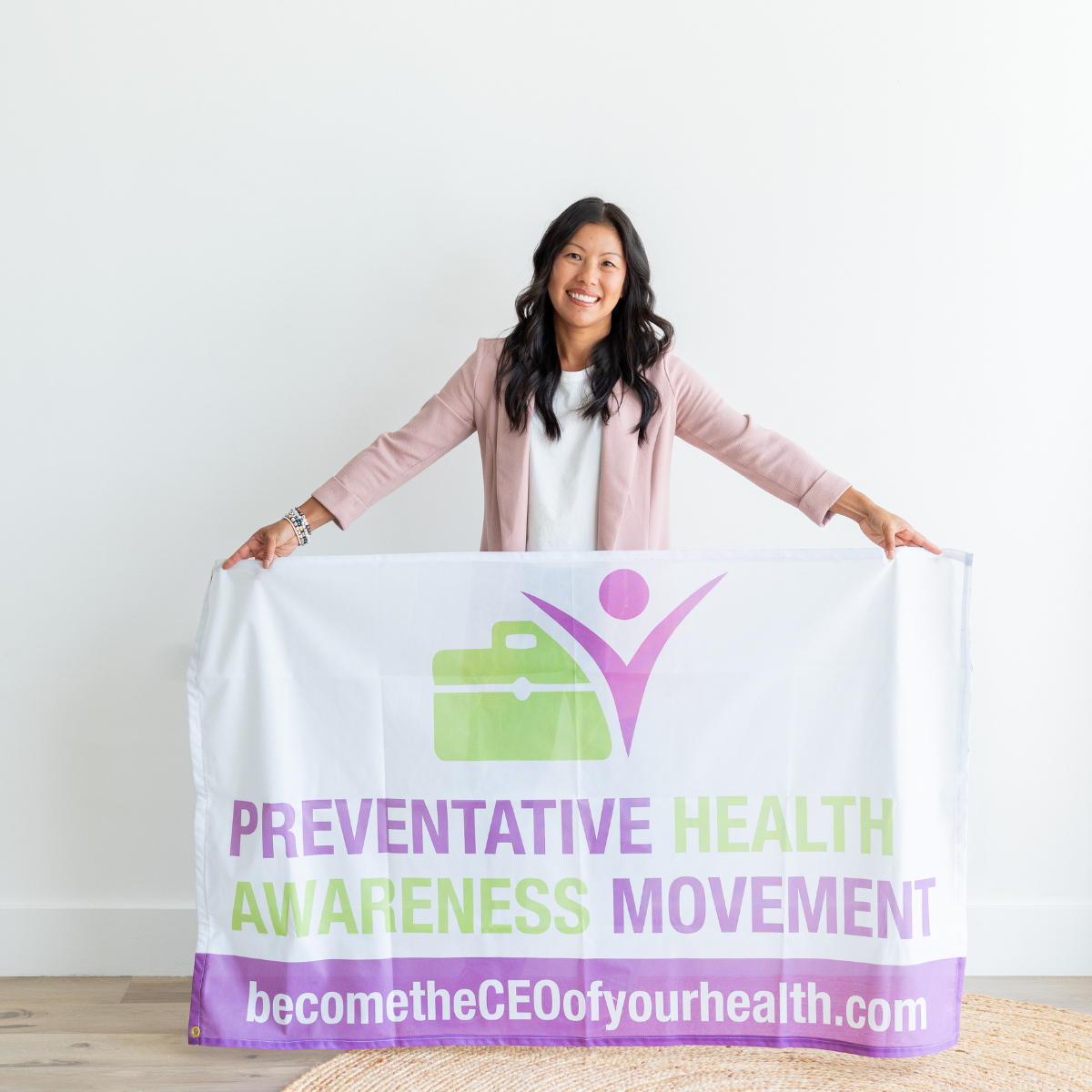
The Power of Prevention
I want to scream PREVENTION from the rooftops.
After more than 15 years working as a physiotherapist, I keep coming back to the same question:
Why are we so good at waiting?
We wait until the back pain won't go away.
We wait until leaking starts interfering with running, jumping or exercise.
We wait until our energy has disappeared.
We wait until our bloodwork changes.
We wait until our bone density has declined.
We wait until there's a diagnosis.
And then we act.
Of course, we need excellent healthcare when something goes wrong. Treatment matters. Screening matters. Medication matters.
But I don't believe healthcare should only begin once we're unwell.
What if we started earlier?
I recently had a conversation with a healthcare provider about bone health, and she shared how often she sees women who are already osteopenic or osteoporotic by the time bone density becomes a significant part of the conversation.
And bones are only one example.
Think about our digestive health.
I've heard stories of people living with significant bloating, indigestion, constipation or changes in their bowel habits for so long that feeling uncomfortable became their "normal." Sometimes it isn't until symptoms become severe, or a significant gastrointestinal problem is identified, that they realize just how long their body had been asking for their attention.
This doesn't mean every episode of bloating is a sign that something serious is wrong. It means we shouldn't have to dismiss persistent discomfort simply because a test hasn't given us a diagnosis.
I'm my own example of this.
In my 30s, every time I ate quinoa, my stomach would become intensely bloated and eventually painful.
Quinoa is healthy, right?
Sure. In theory.
But was it healthy for me if my stomach was in knots every time I ate it?
No.
I didn't need to keep eating it simply because it's considered a "healthy food." And I didn't need an allergy diagnosis to give myself permission to notice that I consistently felt terrible after eating it.
So I stopped.
I don't eat quinoa.
Simple.
That doesn't mean quinoa is bad. It means I've learned something about my body.
And that's an important distinction.
Medical testing is incredibly valuable, and persistent or significant digestive symptoms deserve appropriate medical assessment. But being told you don't have an allergy doesn't mean you have to ignore the fact that a particular food consistently leaves you feeling unwell.
Your experience in your body is information too.
As a physiotherapist, I see this same disconnection in other ways.
People wait until a small ache becomes an injury that stops them from doing what they love.
Women live with urinary leaking for years because they've been told it's simply part of having babies or getting older.
Someone holds their stomach in all day without realizing how much tension they're carrying until their back, pelvic floor or breathing starts feeling different.
We become so accustomed to overriding the signals that sometimes we forget we're allowed to listen to them.
And I understand why.
We're busy.
We're raising families, building careers, caring for aging parents, managing households and trying to fit ourselves somewhere into the equation.
When nothing is technically "wrong," taking care of our future health can easily slide down the list.
But what if our late 30s and 40s weren't years to simply push through?
What if they were some of the most important years to invest in the health we want later?
Your body is always communicating
One of the things I say often in my work is:
Learn to hear the whispers before they become screams.
That doesn't mean becoming hypervigilant about every sensation in your body.
Quite the opposite.
It means developing enough awareness and trust in yourself that you notice when something changes.
Maybe your recovery isn't what it used to be.
Maybe you're losing strength.
Maybe you're leaking when you run.
Maybe your digestion consistently feels off.
Maybe your balance feels different.
Maybe your sleep has changed.
Maybe your body feels tense all the time.
Instead of immediately thinking, Well, I guess I'm getting older, or My tests were normal, so I guess it's nothing, we can get curious.
What is my body communicating to me?
Awareness gives us an opportunity to respond.
Prevention isn't fear. It's freedom.

I don't exercise because I'm afraid of getting older.
I move because I want to keep living fully as I get older.
I want to run.
I want to travel.
I want to lift heavy things.
I want to get down on the floor and know I can get back up again.
I want to play with my kids now and, hopefully, my grandkids one day.
I want to feel strong, capable and independent for as long as possible.
That's what prevention means to me.
It isn't about controlling every possible health outcome. We can't.
It's about recognizing that there are things we can influence and choosing to participate in our own health before we're forced to.
Your 40s (and beyond) can be a beginning
Imagine if entering midlife came with a different conversation.
Instead of:
"You're getting older. This is just what happens."
What if we heard:
"This is an incredible opportunity to understand your body and support the next several decades of your life."
Build and maintain muscle.
Support your bones.
Move your cardiovascular system.
Learn about your changing hormones.
Understand your pelvic floor and inner core.
Prioritize sleep and recovery.
Nourish yourself.
Manage stress.
Build relationships with healthcare professionals who listen to you.
And perhaps most importantly, learn to listen to yourself.
You don't need to overhaul your entire life tomorrow.
Prevention is built through the small choices we make consistently, long before there's a crisis forcing us to make them.
Become the CEO of your health
Being the CEO of your health doesn't mean diagnosing yourself or believing you should have all the answers.
A great CEO doesn't do everything alone.
They build a team.
They ask questions.
They gather information.
They pay attention when something changes.
And they make decisions with the future in mind.
Your physician, physiotherapist, naturopathic doctor, dietitian, therapist, trainer or other healthcare professionals can all be important members of that team.
But there is one person who is there for every appointment, every workout, every meal, every stressful season and every quiet signal from your body.
You.
You don't have to wait for something to go wrong to start caring for what's going right.
Start where you are.
Get curious.
Listen.
Ask questions.
Move your body.
Build your team.
Because prevention isn't about fearing the future.
It's about creating more freedom to live it.
Namaste,
Tatianna
For more real-life stories and preventative health tools, tune in to The Move With Ease Podcast.