The Silent Generation of Grief: Seniors Overlooked in the Addiction Crisis

Healthy aging conversations often focus on mobility, nutrition, memory care, and independence.
But there is a demographic quietly aging under a different kind of weight.
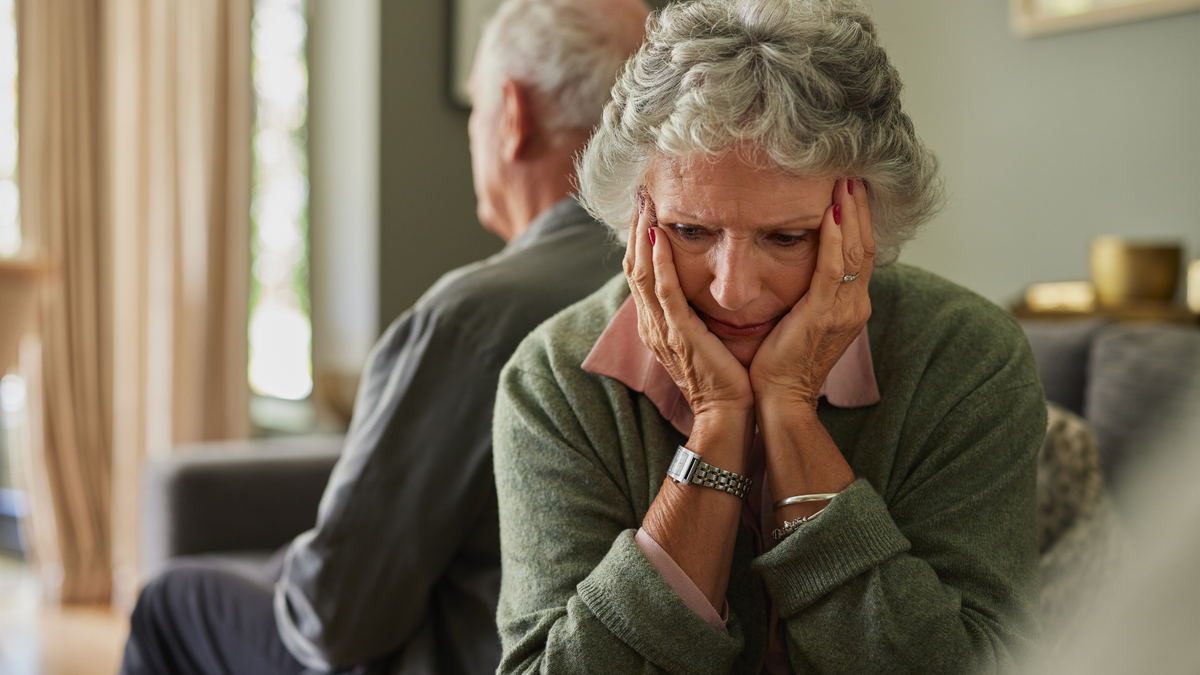
Seniors in their 70s and 80s are carrying the heartbreak of adult children and grandchildren struggling with addiction and mental health challenges.
They are rarely named in policy discussions. Rarely centred in support programs. Rarely asked how they are coping.
And yet, many are living in chronic stress, grief, confusion, and shame.
I know this personally.
As a mother who has walked through my son’s addiction and mental health crises, overdoses, hospitalizations, and uncertainty — I have also witnessed the impact on my own parents.
I have watched them struggle to understand. I have seen their heartbreak. I have felt the weight of their worry, not only for their grandson but also for me, their daughter and our family.
They were raised in a different era. Mental health was not openly discussed. Addiction was often moralized, hidden, or misunderstood.
So they carried it quietly.
And many seniors still do.
Seniors Are Already Vulnerable to Stress — And Caregiving Compounds It
According to the World Health Organization, approximately 14% of adults aged 60 and older live with a mental disorder, and depression and anxiety are common yet frequently underdiagnosed in this population https://www.who.int/news-room/fact-sheets/detail/mental-health-of-older-adults
In Canada, the Mental Health Commission of Canada reports that up to 22% of older adults screen positive for depression, and social isolation significantly increases mental health risks. https://mentalhealthcommission.ca/what-we-do/older-adults/
Statistics Canada reports that approximately 1 in 3 senior caregivers describe caregiving as stressful or very stressful, particularly when providing more than 20 hours of care per week. https://www150.statcan.gc.ca/n1/pub/75-006-x/2020001/article/00007-eng.htm
Now imagine adding addiction crises into that equation.
Addiction brings unpredictability:
- Emergency calls
- Fear of overdose
- Financial strain
- Legal concerns
- Emotional rollercoasters
- Family conflict
Research examining families impacted by substance use disorder shows elevated levels of anxiety, guilt, shame, exhaustion, and depressive symptoms among family members. (National Library of Medicine review on family burden):https://www.ncbi.nlm.nih.gov/pmc/articles/PMC7809821/
For seniors whose nervous systems and physical health are already more vulnerable, chronic stress can contribute to:
- Sleep disturbances
- Elevated blood pressure
- Compromised immune function
- Increased risk of depression
- Social withdrawal
Yet very few programs specifically address older adults navigating addiction within their family system.
The Weight of Generational Shame
For many seniors, there is an additional barrier: stigma.
In older generations, addiction was rarely understood through a trauma-informed or medical lens. It was often framed as a moral failing or poor parenting.
Research also highlights that shame and perceived stigma delay help-seeking behaviour in families affected by addiction, particularly among older adults. https://www.ncbi.nlm.nih.gov/pmc/articles/PMC9255228/
This creates layered shame:
- “Where did we go wrong?”
- “What will people think?”
- “We should be enjoying retirement, not dealing with this.”
- “We don’t talk about these things.”
Silence becomes survival.
But silence increases isolation.
And isolation is one of the greatest threats to healthy aging.
According to Statistics Canada, 14% of seniors aged 75 and older report feeling lonely compared to 9% of those aged 65 to 74 and when addiction and mental health challenges affect a family, that loneliness can quietly intensify, turning worry into isolation and grief into something carried alone.
https://www150.statcan.gc.ca/n1/daily-quotidien/211124/dq211124e-eng.htm
The Invisible Caregivers
Some seniors are not only emotionally affected they are actively caregiving.
Many grandparents step in to:
- Provide financial support
- Care for grandchildren
- Offer housing during a crisis
- Support adult children overwhelmed by addiction or mental health struggles.
Unlike caregiving for aging spouses, addiction-related caregiving is unpredictable and stigmatized. There are fewer peer groups. Fewer safe spaces. Fewer tailored resources.
This is a gap in our healthcare and community systems.
What Seniors Need
If we are serious about healthy aging, we must expand the conversation.
Healthy aging must include:
1. Specialized Support Groups for Older Adults: Groups specifically designed for seniors impacted by addiction within their family.
2. Trauma-Informed Education: Reframing addiction as a complex health and trauma issue, reducing shame and increasing understanding.
3. Accessible Mental Health Services: Services that consider mobility, transportation, fixed incomes, and generational stigma.
4. Caregiver Recognition in Policy: Formal acknowledgment that seniors impacted by addiction are caregivers too.
5. Intergenerational Healing Conversations: Safe spaces where families can speak openly, without blame, and with compassion.
Peace Is Possible — With Support
One of the gifts in my own journey has been being able to share what I’ve learned about nervous system regulation, trauma, boundaries, and compassionate communication with my parents.
As I healed, I helped them understand. As I learned, I translated. As I found peace, I modelled it.
But not everyone has access to that kind of support.
Many seniors are carrying this alone.
If we want communities that thrive, if we want healthy aging in its truest sense, we cannot overlook this generation.
They deserve:
- To be heard.
- To be supported.
- To be educated without judgment.
- To age with dignity and peace, even when addiction exists within their family.
Healthy aging is not just about living longer.
It is about living supported.
It is time we bring seniors impacted by addiction out of the shadows and into the conversation.
Because healing families means healing every generation.
If we want communities that truly support healthy aging, we must name this gap and address it.
Seniors impacted by addiction deserve recognition, education, and access to trauma-informed care.
I advocate for all individuals affected by mental health and addiction directly or indirectly, and their right to heal.
If you are a community leader, caregiver, service provider, or family member, I invite you to join the conversation through Real Lives Touched by Addiction.
Visit www.enablenomore.ca to learn how we can support individuals, families, and organizations in building healthier systems of care.
Because healing is not age-specific.
It is human.