Preventative Health Tips from Move Activity & Motion Clinic
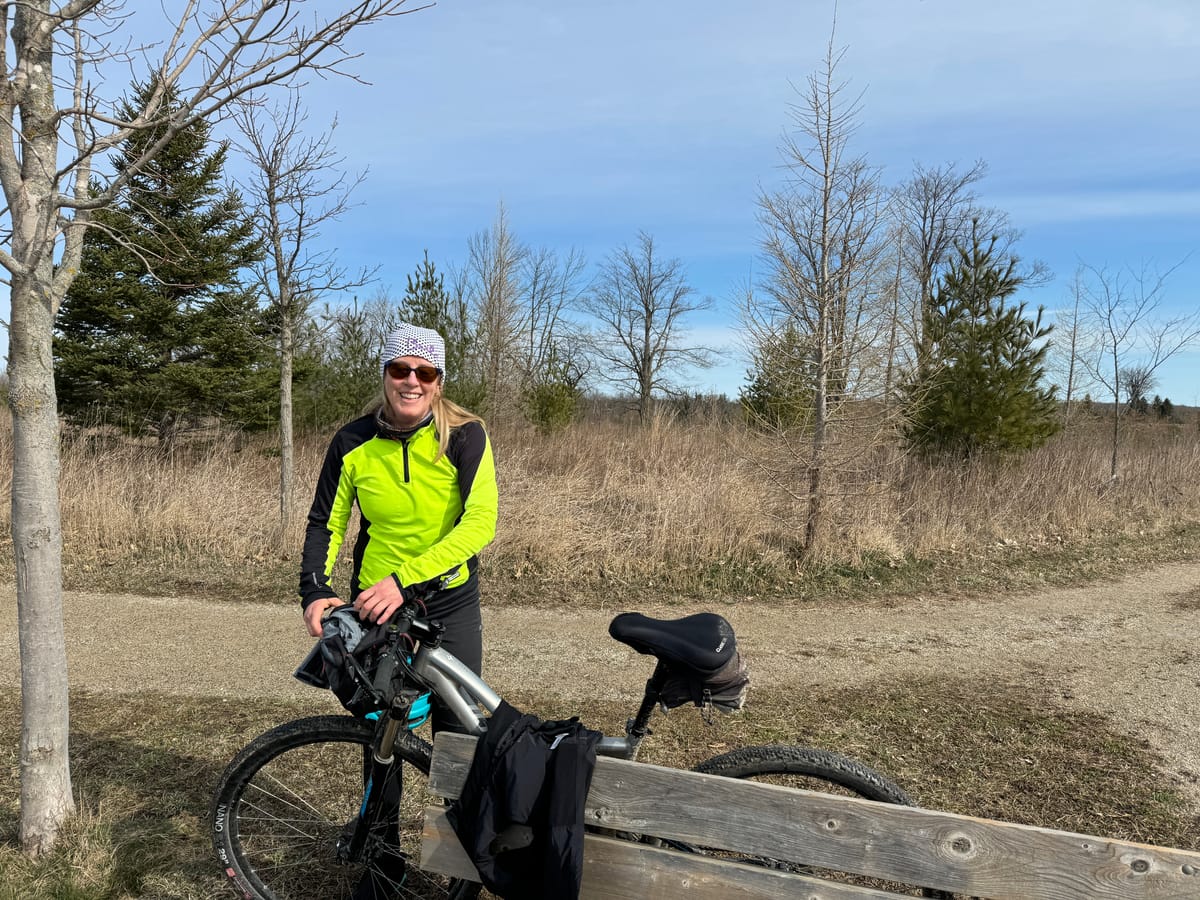
Preventative health is not only about avoiding illness, it is about maintaining the strength, mobility, and resilience that allow you to stay active and independent over time. Many common sources of pain and injury develop gradually through repetitive strain, limited movement, poor recovery habits, and unmanaged stress. The good news is that small, consistent habits can significantly reduce these risks.
Below are practical, evidence-informed strategies that support long-term musculoskeletal and overall health, with added context to help you understand why each one matters.
1. Keep Moving — With Variety and Intention

Regular movement supports joint lubrication, muscle strength, circulation, and nervous system regulation. Movement also helps maintain bone density and metabolic health while reducing stiffness that can build up from prolonged sitting.
However, preventative movement is not only about frequency, it is also about balance and variation.
Key principles:
- Combine cardiovascular activity, strength training, and mobility work
- Rotate activities to reduce repetitive stress on the same tissues
- Progress gradually rather than increasing intensity too quickly
- Include rest days to allow tissue repair and adaptation
Even low-impact activities such as walking, swimming, or mobility circuits can produce meaningful long-term benefits when performed consistently. The goal is sustainable movement patterns rather than short bursts of overexertion.
2. Make Spinal and Joint Health Part of Your Routine
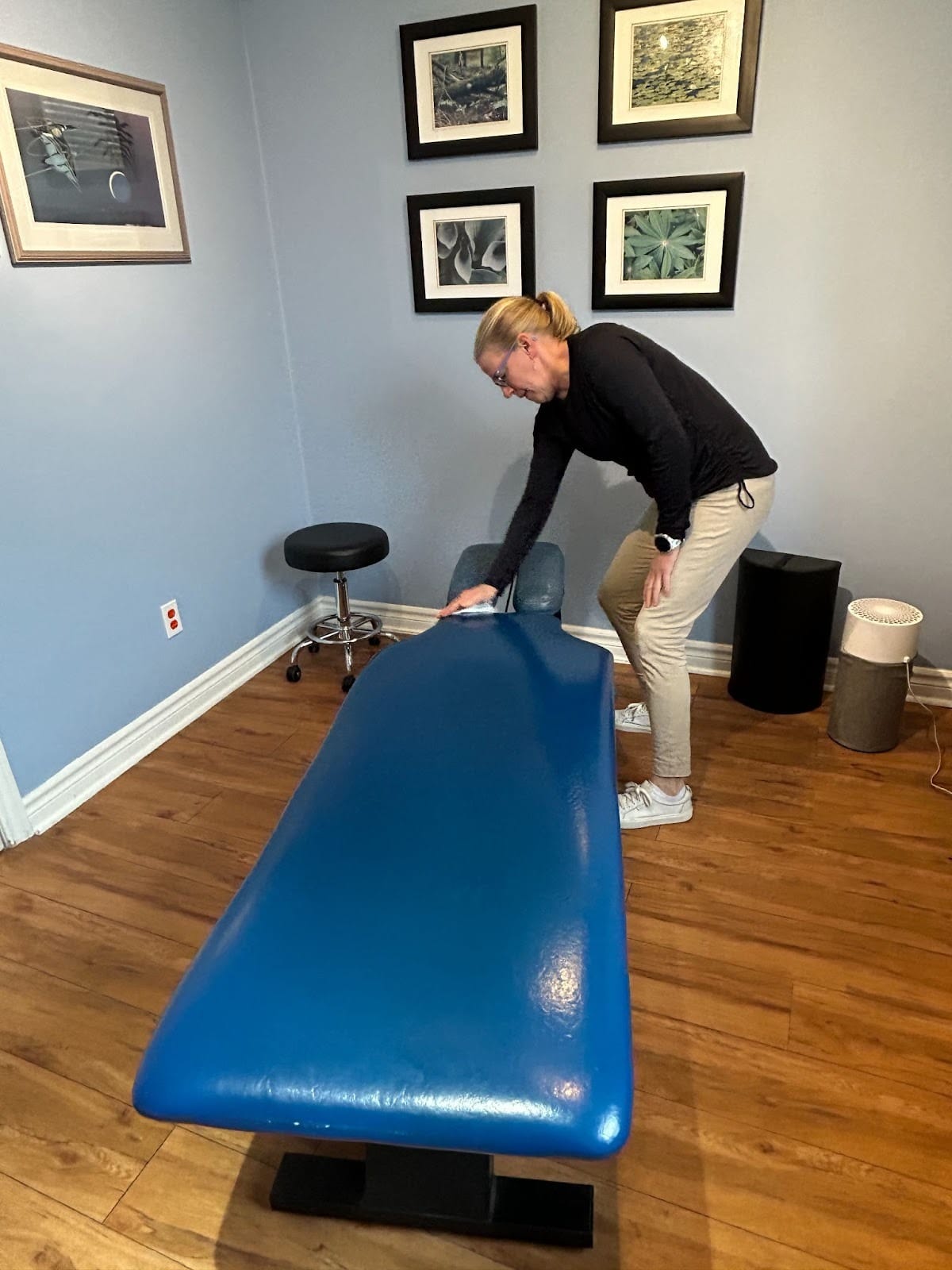
Joint and spinal function influence how efficiently the body moves and distributes load. Restrictions in mobility or alignment can shift stress to surrounding tissues, sometimes contributing to compensation patterns and overuse injuries.
Routine musculoskeletal check-ins can help identify:
- Early movement asymmetries
- Reduced joint mobility
- Postural strain patterns
- Muscle imbalance trends
When addressed early through corrective exercises, mobility work, and manual therapies, these issues are often easier to manage than when they become chronic. Preventative joint care focuses on preserving range of motion, coordination, and neuromuscular control and not only symptom relief.
3. Use Therapeutic Massage as Recovery Care
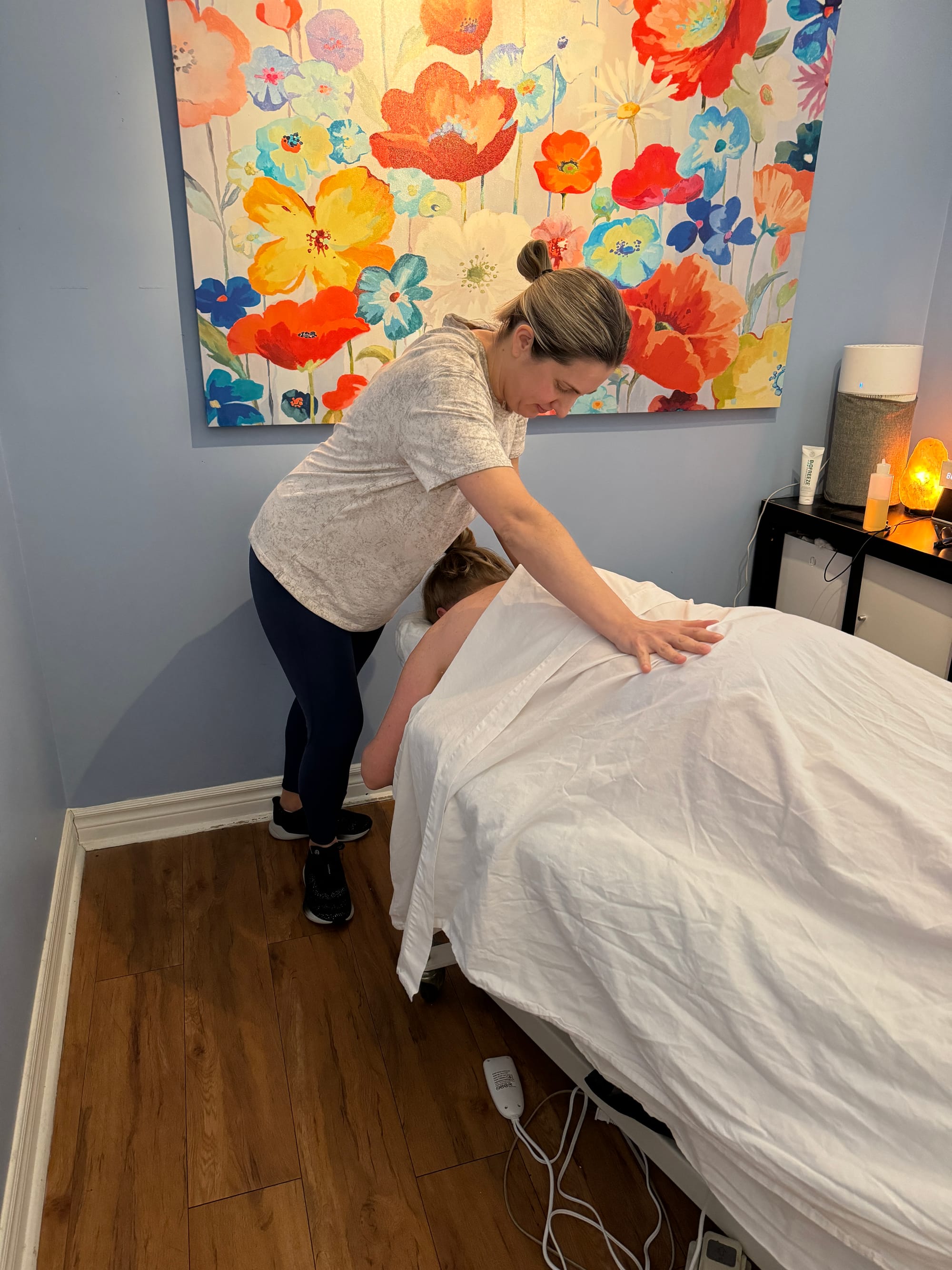
Soft tissue health is a critical but often overlooked part of injury prevention. Muscles and connective tissues adapt to repeated load by tightening and thickening. Without adequate recovery strategies, this can reduce flexibility and alter movement mechanics.
Therapeutic massage and other soft tissue techniques can help:
- Reduce excessive muscle tone
- Improve local circulation
- Support recovery after training
- Increase body awareness
- Reduce stress-related tension patterns
Preventative massage is most effective when used regularly rather than only after pain appears. When combined with stretching and strength work, it supports better tissue quality and movement efficiency.
4. Support Movement With Nutrition and Hydration

Muscles, tendons, cartilage, and nerves depend on proper nutrition and hydration to function and recover. Preventative health habits are strengthened when dietary choices support tissue repair and energy regulation.
Core foundations include:
- Adequate protein intake for tissue maintenance
- A variety of micronutrient-dense foods for cellular function
- Anti-inflammatory food patterns emphasizing whole foods
- Consistent hydration to support joint lubrication and circulation
Hydration in particular plays a direct role in muscle function and joint comfort. Even mild dehydration can contribute to fatigue and decreased performance.
Nutrition does not need to be extreme to be effective; consistency and balance produce the most reliable long-term results.
5. Schedule Regular Health and Movement Screenings

Preventative care is most successful when changes are detected early. Routine screenings — both medical and musculoskeletal — help identify risk factors before they develop into more complex conditions.
These assessments may include:
- Blood pressure and metabolic markers
- Mobility and movement quality screens
- Postural and ergonomic evaluations
- Strength and balance testing
- Lifestyle risk assessments
Early identification allows for targeted intervention, often with simpler and more conservative strategies. Preventative screening shifts care from reactive to proactive.
Final Thoughts
Preventative health is built through repeatable daily behaviours — movement variety, recovery care, sound nutrition, and periodic assessment. No single strategy replaces the others; they work best together as a system.
The long-term objective is not simply to avoid injury, but to maintain capacity — the ability to move well, recover efficiently, and adapt to physical demands over time. Small improvements applied consistently tend to produce the most durable outcomes.
About Move Activity & Motion Clinic
Move Activity & Motion Clinic is a multidisciplinary health centre based in Georgetown, Ontario, that helps individuals of all ages maintain and improve their physical health through evidence‑based care. Founded on the principle that movement is central to overall well‑being, the Clinic integrates chiropractic care, therapeutic massage, orthotic support, and movement‑focused strategies to support both preventative health and recovery from injury.
Learn more at www.moveamc.com